
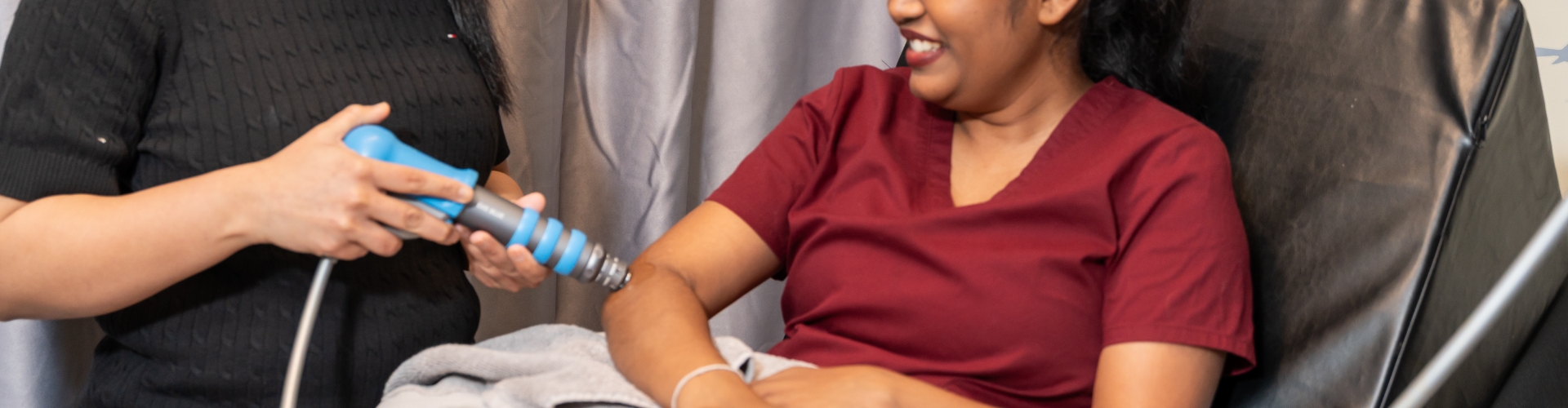
When Elbow, Wrist, or Hand Pain Starts Interfering With Daily Tasks
Pain in the elbow, wrist, or hand can make simple actions harder than expected. Gripping a mug, typing, or opening doors can become uncomfortable and even challenging due to issues with the small, complex joints in the upper extremity. Fortunately, Haney Physiotherapy provides elbow, wrist, and hand pain relief in Maple Ridge, BC by focusing on how these joints, muscles, and nerves work together during daily use.
The arm functions as a connected chain from the shoulder to the fingertips. When one area struggles, nearby structures often compensate. Physiotherapy addresses these relationships to support better movement and function.
What Causes Pain in the Upper Extremities?
Elbow, wrist, and hand pain can develop from a range of everyday demands and activities, including:
- Repetitive gripping or twisting motions
- Prolonged computer or device use
- Sudden increases in workload or activity
- Sports or work tasks that load the forearm
- Reduced strength or endurance in supporting muscles
- Limited joint mobility that affects movement patterns
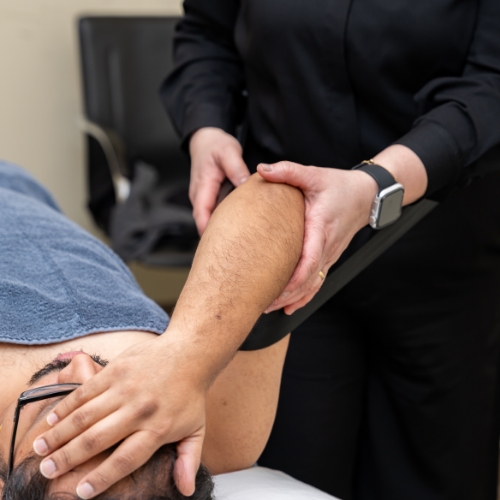
How the Elbow, Wrist, and Hand Work Together
The elbow acts as a hinge that allows the arm to bend and straighten and provides a stable support for rotation of the forearm. The wrist connects the forearm to the hand and allows fine control during gripping and lifting. The hand contains many small joints, tendons, and nerves that manage strength, precision, and sensation.
Muscles that control the wrist and hand often originate near the elbow. Nerves also travel from the neck through the arm into the fingers. This shared anatomy explains why pain in one area can affect another. Effective elbow, wrist, and hand pain treatment considers how movement, strength, and coordination work across the entire arm.
Symptoms of Dysfunction in the Elbow, Wrist, and Hand
Pain or discomfort in the elbow, wrist, or hand can appear in several ways, such as:
- Aching or sharp pain during gripping or lifting
- Stiffness in the wrist or fingers
- Weakness when holding or carrying objects
- Tingling or altered sensation in the hand
- Reduced coordination during fine tasks
- Discomfort that worsens with repeated use
Symptoms may change throughout the day based on activity level, posture, or workload.
How Physiotherapy Addresses Upper Extremity Pain
Our physiotherapists use a combination of hands-on techniques and guided exercises to support the treatment of elbow, wrist, and hand pain, with a focus on safe progression and functional improvement. Care may include:
- Manual therapy to improve joint and soft tissue movement
- Exercises to strengthen the forearm, wrist, and hand
- Grip and load progression to improve tolerance
- Movement retraining to improve control and efficiency
- Ergonomic guidance for work and daily activities
- Education on pacing and activity modification
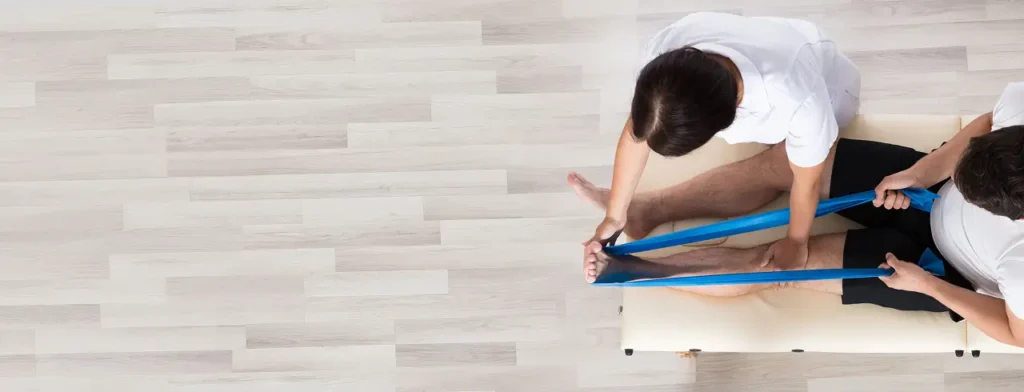
Frequently Asked Questions
Can physiotherapy help repetitive strain injuries in the wrist or elbow?
Is hand pain always related to arthritis or nerve issues?
Can physiotherapy help with hand weakness or reduced grip strength?
Why Physiotherapy Supports Recovery and Function
Pain in the elbow, wrist, or hand often relates to how tissues handle repeated stress. Physiotherapy looks beyond symptoms to address movement patterns, strength deficits, and workload demands. Improving these factors helps reduce ongoing irritation and supports tissue recovery.
Physiotherapy also provides practical strategies for managing daily tasks, work demands, and recreational activities. This approach helps people return to regular use of the arm with greater confidence and control.
Regain Confidence in Everyday Hand and Arm Use
Elbow, wrist, and hand pain can affect independence at work and home. The team at Haney Physiotherapy offers a structured approach to improving movement, strength, and task tolerance.
Your Next Steps…
- Request An Appointment
- Receive A Custom Treatment Plan
- Work Hard and Progress In Your Recovery
- Recover & Enjoy Life Pain-Free