Regain Confidence When Balance and Movement Feel Unsteady
Feeling dizzy or off balance can make everyday activities feel uncertain. Turning your head, walking in busy spaces, or getting out of bed may trigger discomfort or hesitation. Vestibular therapy offers a specialized approach that focuses on how the brain, inner ear, eyes, and body work together to maintain balance, helping the body relearn balance and movement control.
Haney Physiotherapy provides vestibular therapy in Maple Ridge, BC to support steadier movement and improved confidence during daily activities.
Exploring Vestibular Therapy
The vestibular system helps the brain understand head position, movement, and spatial orientation. When this system doesn’t communicate clearly, people may feel dizzy, unsteady, or disoriented.
Vestibular therapy is a specialized form of physiotherapy that addresses balance and dizziness related to the inner ear and nervous system. It uses specific movements and exercises to retrain the brain to process balance information. Treatment aims to reduce symptoms, improve stability, and help people move more easily during everyday tasks.
What Patients Can Expect During Vestibular Therapy
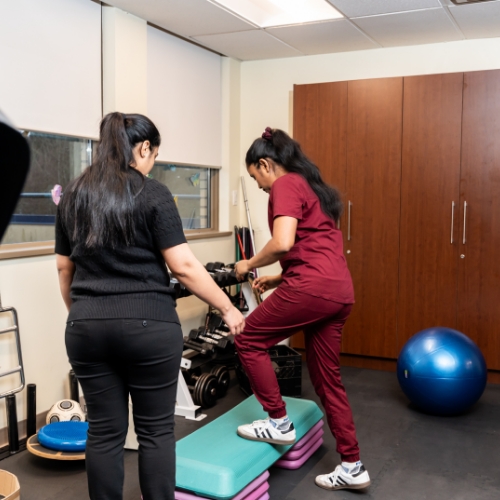
A physiotherapist begins with a detailed assessment of balance, eye movements, posture, and walking patterns. The physiotherapist also reviews symptom triggers and daily challenges. This information helps guide a personalized treatment plan.
Treatment sessions include guided exercises that may involve head movements, visual focus tasks, or balance challenges. Exercises start at a comfortable level and progress gradually based on tolerance. Some exercises may temporarily increase symptoms, which is a normal part of the retraining process. The physiotherapist monitors responses closely and adjusts the program as needed.
Common Vestibular Therapy Techniques
Vestibular therapy includes targeted techniques designed to retrain balance and coordination, such as:
- Gaze stabilization exercises to improve eye and head coordination
- Balance exercises for standing and walking stability
- Habituation exercises to reduce sensitivity to movement
- Position-based techniques for specific inner ear conditions
- Gait training to improve walking confidence
- Postural strategies to support alignment and control
When We Might Suggest Vestibular Therapy
Vestibular therapy may be recommended when dizziness or balance concerns interfere with daily life, including symptoms such as:
- Dizziness triggered by head or body movement
- Balance difficulties during walking or standing
- Symptoms related to inner ear conditions
- Unsteadiness following concussion or illness
- Difficulty navigating busy or visually complex environments
Why Vestibular Therapy Supports Long-Term Movement
Avoiding movement due to dizziness can lead to reduced activity and increased sensitivity. Vestibular therapy helps reverse this pattern by exposing the nervous system to controlled movement in a safe and structured way. Repeated practice encourages the brain to adapt and respond more effectively to balance challenges.
Vestibular therapy also helps people understand how posture, vision, and movement habits influence balance. Education supports independence and reduces fear associated with symptoms. Active participation plays a key role in recovery.
Benefits of Vestibular Therapy
When guided by a trained physiotherapist, vestibular therapy can offer several benefits:
- Improved balance and postural control
- Reduced dizziness during daily activities
- Better coordination between the eyes and head movement
- Increased confidence with walking and movement
- Improved ability to tolerate visual and motion demands
- Practical strategies for managing symptoms
Frequently Asked Questions
Will vestibular therapy make my dizziness worse at first?
How long does vestibular therapy usually take?
Can vestibular therapy help with balance after a concussion?
Take the Next Step Toward Steadier Movement
Balance challenges can feel limiting, but vestibular therapy can help by providing a structured approach to improving stability, movement confidence, and daily function.
Your Next Steps…
- Request An Appointment
- Receive A Custom Treatment Plan
- Work Hard and Progress In Your Recovery
- Recover & Enjoy Life Pain-Free