A Focused Way to Address Muscle Tension and Movement Limits
Muscle tightness and sensitivity can make movement feel restricted or uncomfortable. When these issues persist, progress with exercise and daily activity can feel slow. Dry needling offers a focused technique that helps reduce muscle tension and support better movement. At Haney Physiotherapy, we offer dry needling in Maple Ridge, BC as part of an evidence-based approach to improving function and recovery.
What Is Dry Needling?
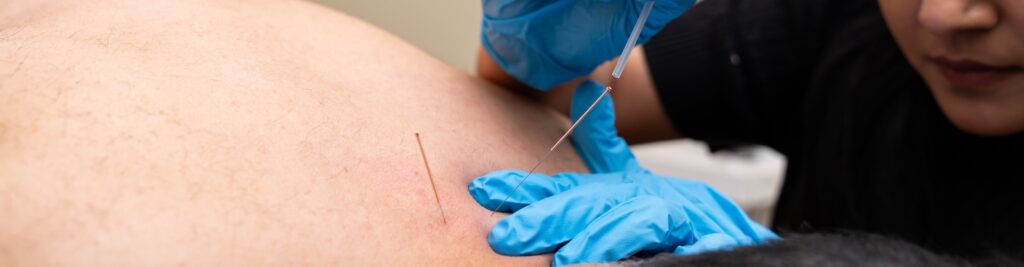
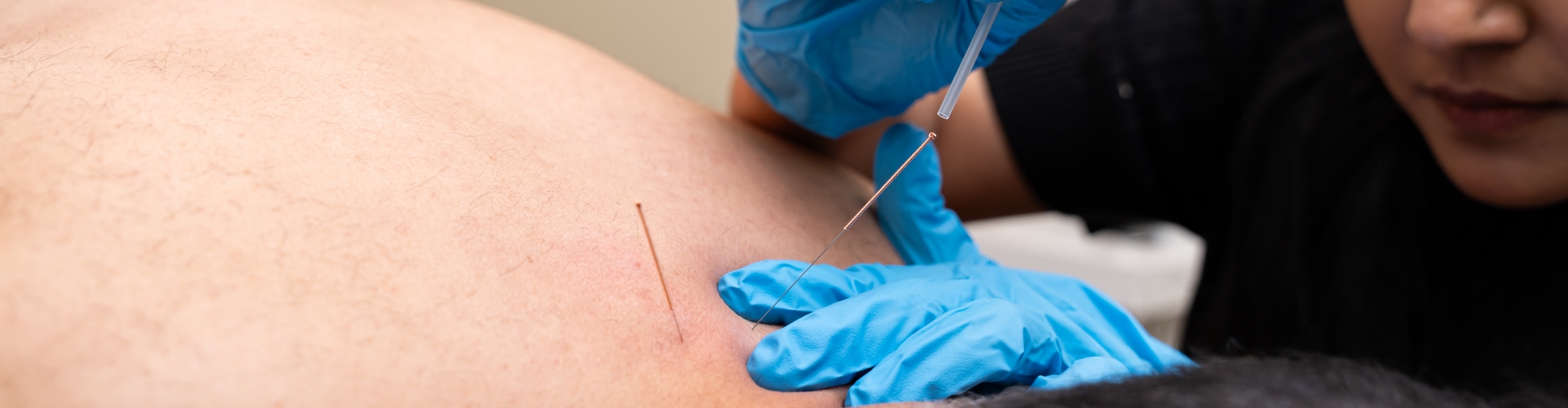
Dry needling is a treatment technique performed by trained physiotherapists that involves inserting very thin, sterile needles into specific areas of muscle that feel tight, sensitive, or difficult to activate. These areas are often called I
Inserting needling into trigger points helps loosen them, which can reduce excessive muscle tension, improve local circulation, and help the muscle return to a more normal resting state. As a first step in a comprehensive physiotherapy plan, dry needling can remove barriers that limit movement progress.
What Patients Can Expect During Dry Needling Treatment
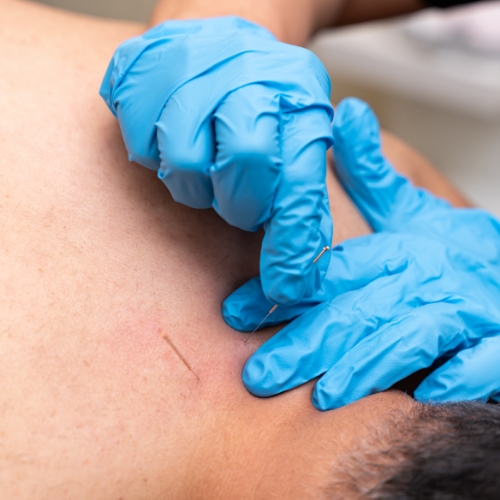
A physiotherapist begins by assessing movement, posture, and muscle function. Based on this assessment, we select specific muscles or trigger points for treatment. Needle insertion is quick and typically well tolerated.
During treatment, patients may feel a brief sensation in the muscle, followed by a feeling of release or relaxation. Some muscles respond immediately, while others change more gradually. Sensations vary between individuals.
After dry needling, the physiotherapist reassesses movement and integrates the technique with exercise, manual therapy, or movement education. Mild muscle soreness can occur afterward, similar to how muscles may feel after activity. This response usually settles within a short period.
When Do We Incorporate Dry Needling into a Treatment Plan?
We typically include dry needling when muscle tension, sensitivity, or guarding limits progress with movement or exercise. The technique often supports care when symptoms interfere with strength, mobility, or daily activity.
Situations where the Haney Physiotherapy team might recommend dry needling include:
- Muscle tightness that restricts range of motion
- Ongoing discomfort related to overuse or strain
- Muscle guarding following injury or surgery
- Trigger points that affect movement patterns
- Difficulty activating specific muscles during exercise
- Pain that limits participation in rehabilitation
Why Dry Needling Supports Better Movement Outcomes
Muscle tension and sensitivity often develop as protective responses after injury or repeated strain. These responses can limit how joints move and how muscles work together. Dry needling helps calm overactive muscle responses, allowing our physiotherapists to focus on restoring normal movement patterns.
By reducing muscle guarding, dry needling allows exercises and functional training to feel more achievable.
Benefits of Dry Needling
When combined with active care, dry needling can offer several benefits:
- Reduced muscle tension that limits movement
- Improved comfort during exercise and daily tasks
- Better muscle activation and control
- Improved tolerance for hands-on treatment
- Support for circulation within affected muscles
- Increased confidence with movement
Frequently Asked Questions
How is dry needling different from acupuncture?
Does dry needling cause soreness after treatment?
How many dry needling sessions are usually needed?
Explore Whether Dry Needling Fits Your Care Plan
Dry needling can be a useful addition to physiotherapy when muscle tension limits progress. When combined with movement-based care, it supports recovery and functional improvement.
Your Next Steps…
- Request An Appointment
- Receive A Custom Treatment Plan
- Work Hard and Progress In Your Recovery
- Recover & Enjoy Life Pain-Free