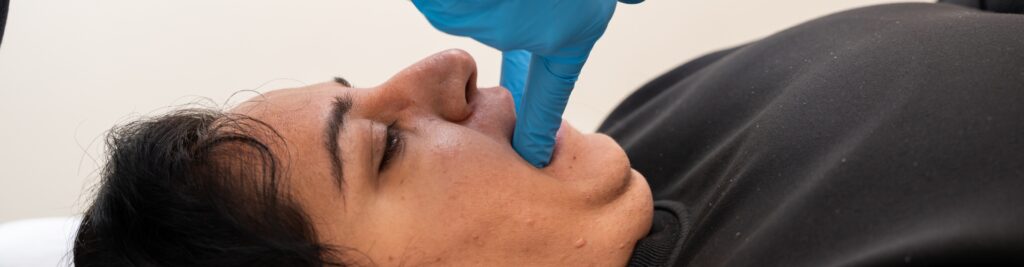
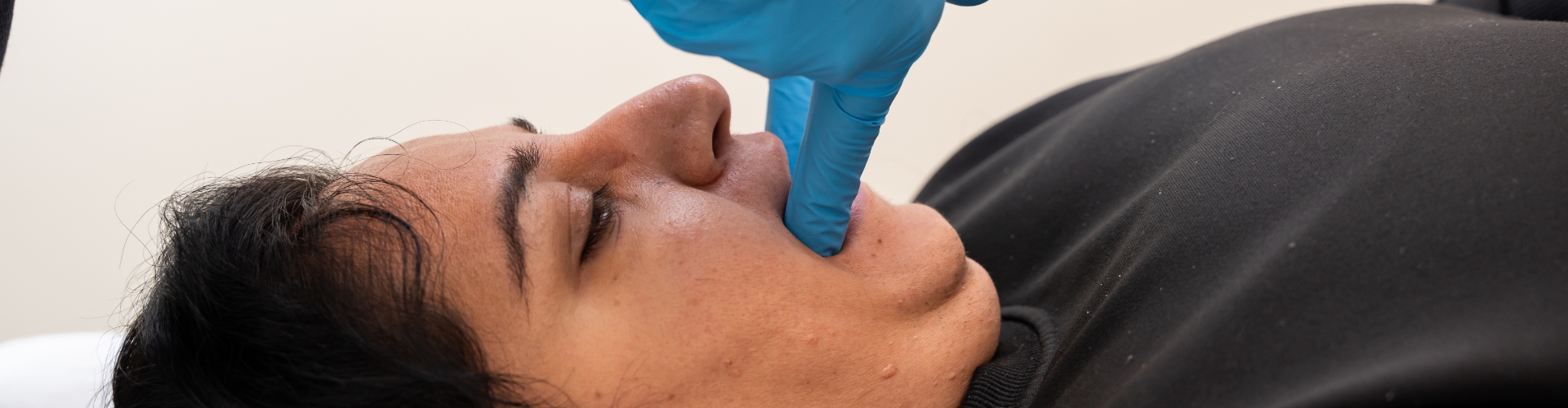
When Jaw Tension Starts Affecting Daily Comfort
Jaw discomfort can influence eating, speaking, sleeping, and even concentration. Many people notice clicking, tightness, or aching around the jaw and face without realizing how much the jaw joint works throughout the day. At Haney Physiotherapy, we support people experiencing TMJ disorders in Maple Ridge, BC by focusing on jaw movement, muscle balance, and coordination with the neck and upper body.
TMJ dysfunction often develops gradually. Physiotherapy helps address how the jaw moves and how surrounding muscles contribute to daily function.
Understanding the TMJ
The TMJ (temporomandibular joint) connects the lower jaw to the skull just in front of the ears. This joint allows the jaw to open, close, slide forward, and move side to side. Muscles around the jaw work together with the neck, shoulders, and upper back to control these movements.
Healthy TMJ function depends on smooth joint motion, balanced muscle activity, and coordination between the two sides of the face. When this coordination gets disrupted, the joint or surrounding muscles may become irritated or overloaded. TMJ dysfunction refers to changes in how the joint, muscles, or movement patterns function together, rather than a single isolated problem.
TMJ treatment through physiotherapy focuses on restoring controlled movement and reducing unnecessary tension.
Common Factors That Can Contribute to TMJ Dysfunction
TMJ dysfunction can develop for several reasons, often for a combination of factors. A detailed assessment helps identify how these elements influence jaw movement.
Common contributing factors include:
- Jaw clenching or teeth grinding
- Prolonged stress or muscle tension
- Poor posture affecting the head and neck
- Previous jaw or facial injury
- Dental or orthodontic changes
- Reduced neck mobility affecting jaw mechanics
Symptoms Often Linked to TMJ Dysfunction
People with TMJ dysfunction often experience a range of symptoms, including:
- Jaw pain or tightness
- Clicking, popping, or grinding sounds with movement
- Difficulty opening the mouth fully
- Headaches or facial discomfort
- Ear pressure or a feeling of fullness
- Neck or upper shoulder tension
Physiotherapy Techniques Used for TMJ Treatment
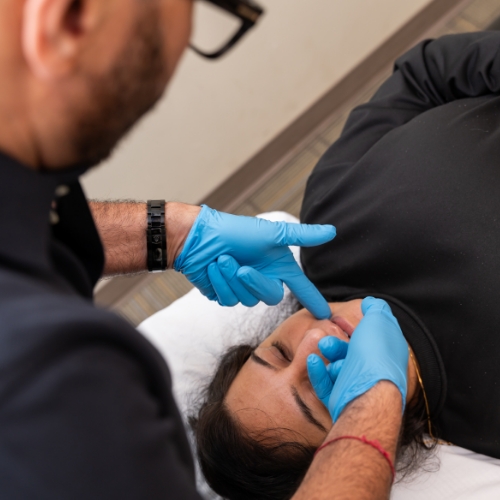
Physiotherapists use a combination of hands-on care, exercise, and education to support TMJ treatment. Care plans may include:
- Manual therapy to improve jaw and neck mobility
- Soft tissue techniques to reduce muscle tension
- Exercises to improve jaw control and coordination
- Postural training for the head, neck, and shoulders
- Breathing and relaxation strategies
- Education on daily habits that affect jaw function
Why Physiotherapy Is Important for TMJ Dysfunction
The Haney Physiotherapy team helps retrain jaw movement patterns so muscles work together more efficiently. Improving coordination can reduce joint stress and muscle overactivity. Education also plays an important role by helping people understand how habits such as clenching, posture, and stress affect symptoms.
However, TMJ dysfunction often involves more than the jaw joint alone. The neck, upper back, and posture influence how the jaw moves during speaking, chewing, and resting. Physiotherapy addresses these relationships to reduce ongoing strain.
Our team provides a structured and conservative approach that supports long-term jaw function and comfort without relying solely on symptom avoidance.
Frequently Asked Questions
Can physiotherapy help jaw clicking or popping?
Is TMJ physiotherapy connected to neck treatment?
How long does TMJ physiotherapy usually take?
Support Healthier Jaw Movement
TMJ dysfunction can affect daily routines and quality of life. Physiotherapy in Maple Ridge, BC offers a guided approach to improving jaw movement, reducing tension, and restoring confidence with everyday activities.
Request an appointment at Haney Physiotherapy to begin care focused on TMJ dysfunction.
Your Next Steps…
- Request An Appointment
- Receive A Custom Treatment Plan
- Work Hard and Progress In Your Recovery
- Recover & Enjoy Life Pain-Free