

When the Room Starts Spinning: Addressing Dizziness and Vertigo
Sudden dizziness or a spinning sensation can disrupt daily routines and create uncertainty with simple movements. Standing up, turning your head, or walking through a busy space may feel difficult when balance feels unreliable. At Haney Physiotherapy, our physiotherapy team provides dizziness and vertigo relief in Maple Ridge, BC by focusing on how the balance system responds to movement and position changes.
Dizziness and vertigo affect how the brain interprets body position and motion. Physiotherapy addresses these systems with targeted care that supports steadier movement and improved confidence during daily activities.
Understanding the Difference Between Dizziness and Vertigo
Dizziness is a general term that describes feeling lightheaded, unsteady, or off balance. Vertigo is a specific type of dizziness characterized by the sensation that the room is spinning or that the body is moving when it is not. While these sensations feel different, they often relate to how the inner ear, eyes, and nervous system communicate.
The inner ear plays a key role in balance by sensing head movement and position. Signals from the eyes and joints provide additional information about the body’s position in space. When these signals fail to align, the brain may misinterpret movement. Physiotherapy for dizziness and vertigo focuses on restoring coordination between these systems so the body can respond more accurately to motion.
Conditions That Can Lead to Dizziness and Vertigo
Several health conditions can cause symptoms of dizziness or vertigo, including:
- Benign paroxysmal positional vertigo
- Vestibular neuritis or labyrinthitis
- Inner ear dysfunction affecting balance signals
- Neck-related balance disturbances
- Neurological conditions that affect coordination
- Post-concussion balance changes
Each condition affects the balance system differently. Assessment helps determine which factors influence symptoms and movement tolerance.
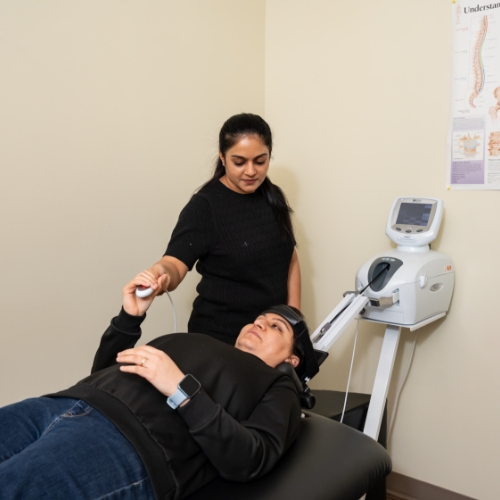
Physiotherapy Techniques Used to Treat Dizziness and Vertigo
Our physiotherapists use targeted approaches to support effective treatment for dizziness and dizziness-related symptoms. Treatment progresses at a pace that respects symptom response and individual goals. Some of the techniques we might suggest include:
- Vestibular exercises to retrain balance responses
- Gaze stabilization exercises to improve eye and head coordination
- Position-based techniques for specific inner ear conditions
- Balance training to improve stability during standing and walking
- Movement progression to reduce sensitivity to motion
- Education on safe movement strategies during daily activities
Why Physiotherapy Is Important for Balance and Symptom Control
Dizziness and vertigo often lead people to avoid movement out of concern that their symptoms will worsen. However, reduced activity can increase sensitivity and limit balance confidence. Physiotherapy helps reverse this pattern by gradually exposing the balance system to controlled movement.
Physiotherapy for dizziness and vertigo at Haney Physiotherapy focuses on improving how the brain processes balance signals. Repeated and guided movement helps the nervous system adapt and respond more effectively. Balance training and education also support safer movement during daily tasks.

Frequently Asked Questions
Can physiotherapy help vertigo related to inner ear conditions?
Is physiotherapy useful if dizziness occurs when turning the head or getting out of bed?
How long does physiotherapy for dizziness and vertigo usually take?
Move With Greater Confidence Again
Dizziness and vertigo can affect comfort, focus, and independence. Physiotherapy offers a structured approach to improving balance control and reducing movement-related symptoms.
Your Next Steps…
- Request An Appointment
- Receive A Custom Treatment Plan
- Work Hard and Progress In Your Recovery
- Recover & Enjoy Life Pain-Free