
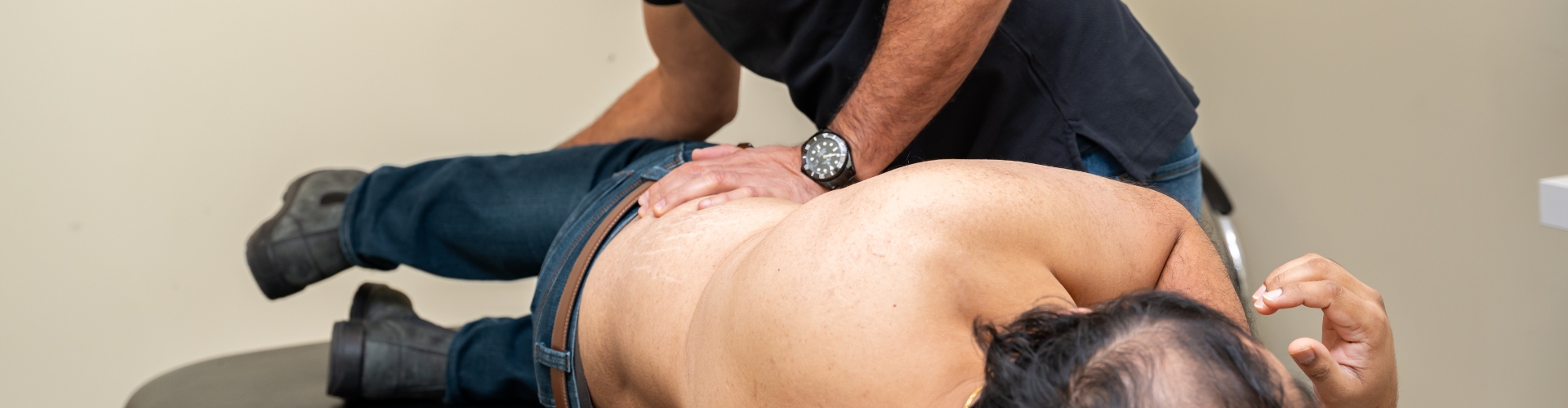
A Gentle Approach to Reducing Spinal Pressure and Supporting Movement
Spinal discomfort can affect posture, mobility, and confidence with daily activities. When compression along the spine limits movement or increases sensitivity, progress with exercise alone may feel slow. Spinal decompression offers a controlled technique that helps reduce pressure on spinal structures when used as part of a physiotherapy plan.
At Haney Physiotherapy, we provide spinal decompression in Maple Ridge, BC to support movement, comfort, and functional recovery.
Understanding Spinal Decompression
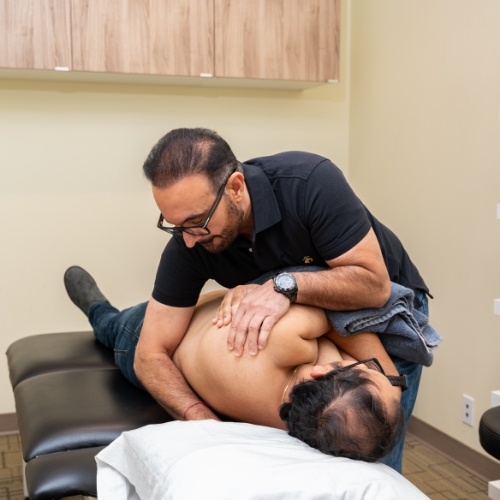
Spinal decompression is a non-invasive treatment that applies traction to the spine. The technique creates space between spinal segments, which can help reduce pressure on discs, joints, and surrounding nerves. Treatment uses controlled positioning and calibrated force rather than sudden movements.
Spinal decompression supports spinal mechanics and helps reduce compressive load. The goal is to help joints move more freely so exercises and daily activities feel more manageable. However, it doesn’t replace movement-based care. Instead, it supports rehabilitation by addressing mechanical factors that limit progress.
What Patients Can Expect During Spinal Decompression
We’ll begin by reviewing symptoms, posture, and movement patterns. During treatment, patients lie comfortably on a specialized table while gentle traction is applied to the targeted area of the spine.
Sessions follow a structured protocol with gradual changes in tension and release. Most people describe the sensation as a gentle stretch rather than discomfort. Treatment duration is typically short and varies based on individual needs.
After spinal decompression, we’ll then reassess movement and integrate exercises, manual therapy, or posture training. Some people notice temporary soreness or a light stretching sensation, which usually settles quickly.
When Does Our Team Recommend Spinal Decompression?
At Haney Physiotherapy, we usually include spinal decompression in a treatment plan when spinal pressure contributes to movement limits or discomfort.
Situations where spinal decompression may be helpful include:
- Back discomfort, or neck discomfort, linked to spinal compression
- Disc-related symptoms affecting movement
- Stiffness that limits spinal mobility
- Pain that increases with prolonged sitting or standing
- Difficulty progressing with exercise due to spinal sensitivity
How Spinal Decompression Supports Rehabilitation
Spinal compression can influence how muscles activate and how joints move during daily tasks. Spinal decompression helps create an environment where joints can move with less resistance, allowing physiotherapists to progress strengthening, mobility work, and posture training more effectively. Plus, by reducing mechanical stress on spinal structures, spinal decompression can help patients engage more confidently in rehabilitation.
Benefits of Spinal Decompression
When used appropriately within physiotherapy care, spinal decompression can offer several benefits:
- Reduced pressure on spinal joints and discs
- Improved spinal mobility and alignment
- Better tolerance for movement and exercise
- Reduced sensitivity that limits daily activity
- Support for posture and functional movement
- Non-invasive option within a rehabilitation plan
Frequently Asked Questions
Is spinal decompression safe for everyone?
How many spinal decompression sessions are usually needed?
Can I continue daily activities while receiving spinal decompression?
Take a Step Toward Easier Spinal Movement
Spinal decompression can support recovery when spinal pressure limits comfort and mobility. When combined with active physiotherapy, it helps create a path toward better movement and daily function.
Your Next Steps…
- Request An Appointment
- Receive A Custom Treatment Plan
- Work Hard and Progress In Your Recovery
- Recover & Enjoy Life Pain-Free